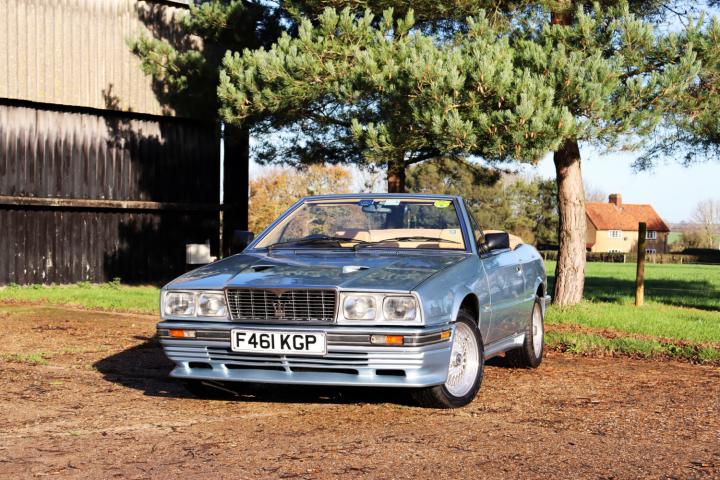
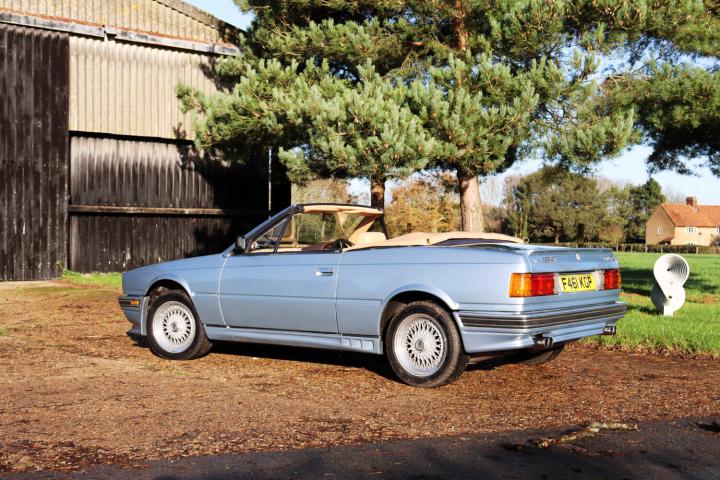
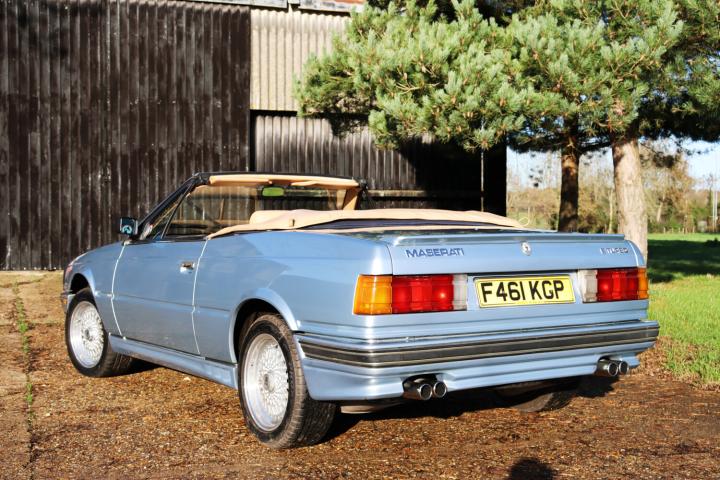
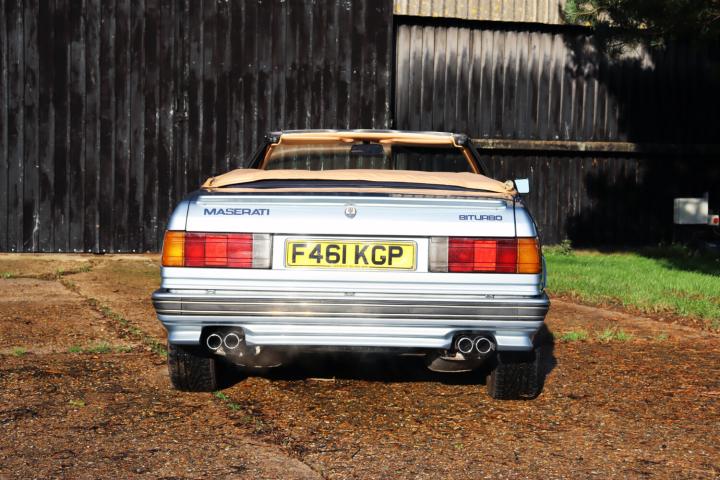
1989 Maserati Spyder
Chassis: ZAM333BOOHA190080
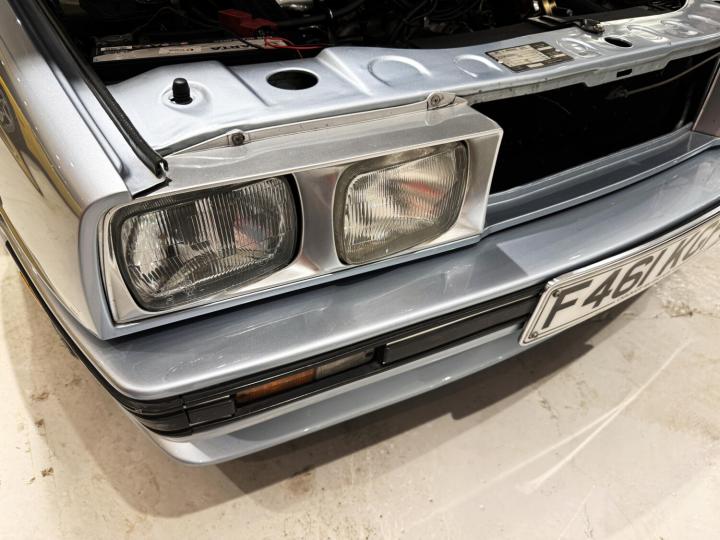
Registration: F461 KGP
• 75,000 miles.
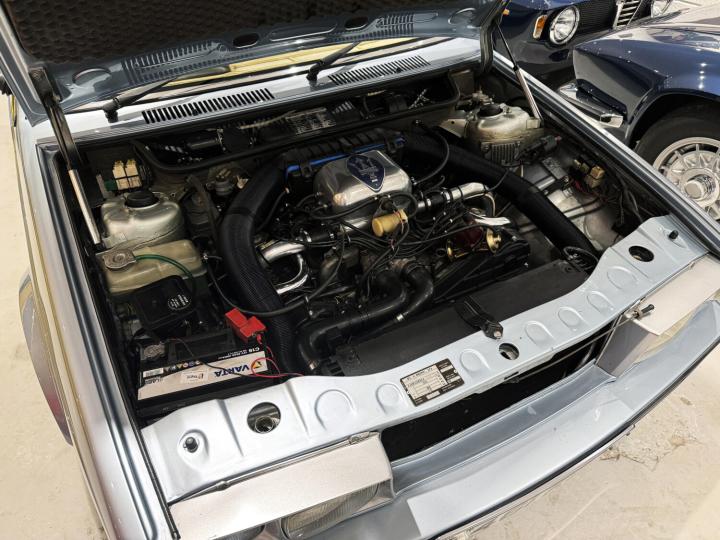
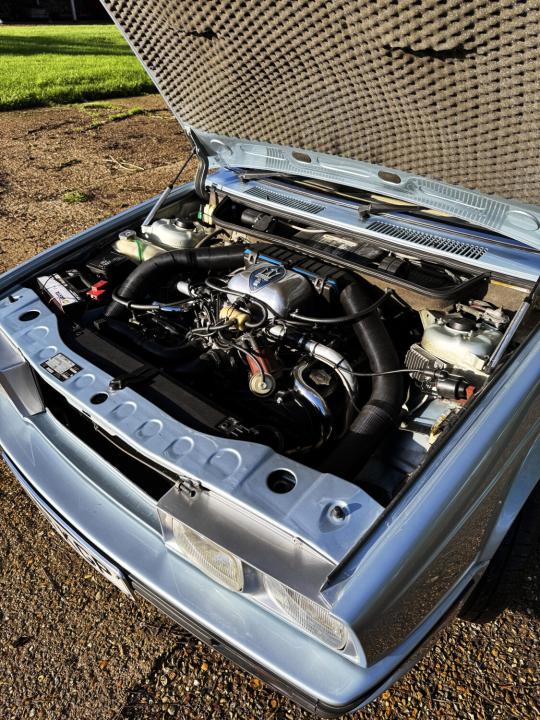
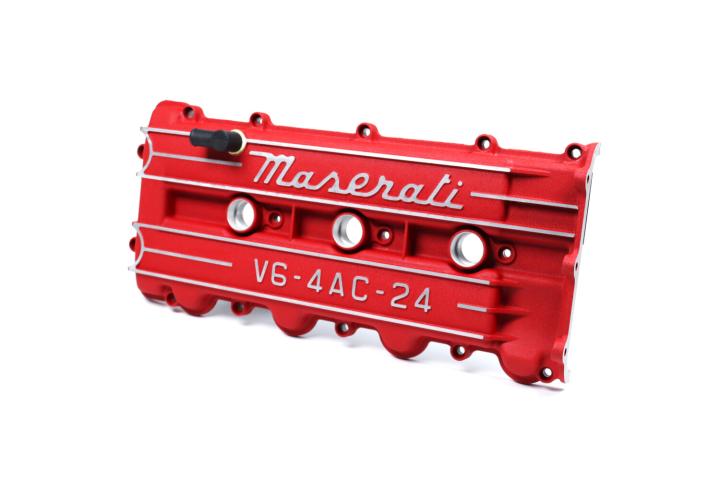
• 2.5-litre 192bhp twin-turbo V6 engine.
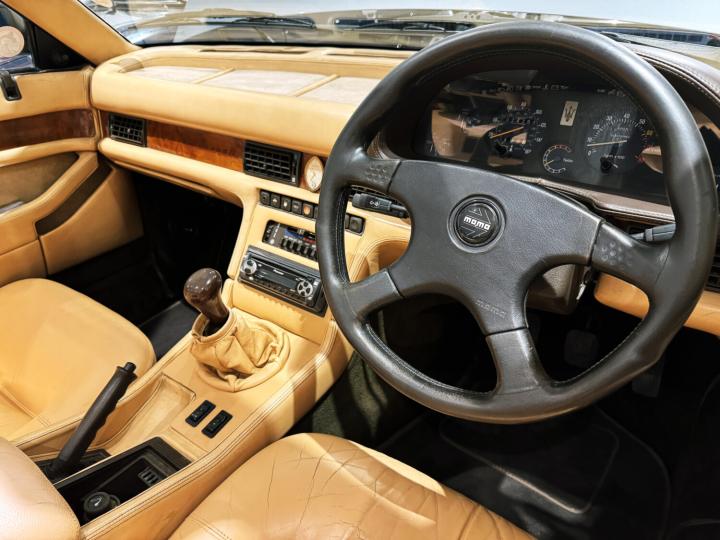
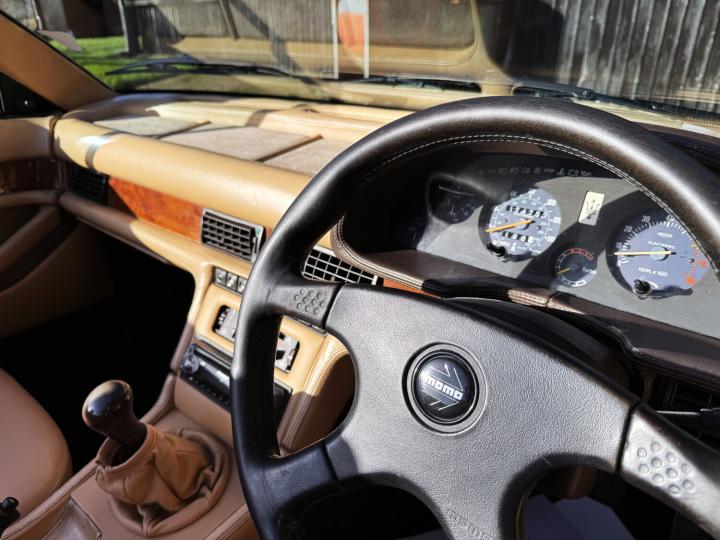
• 5-speed ZF manual ‘dog-leg’ gearbox.
• Early carburettor version.
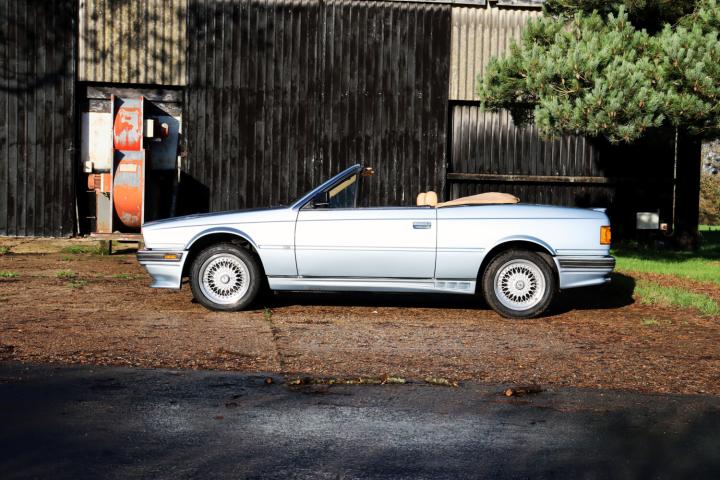
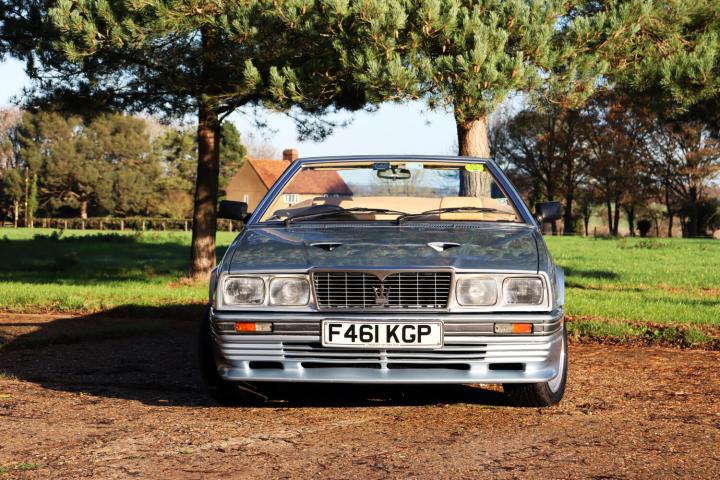
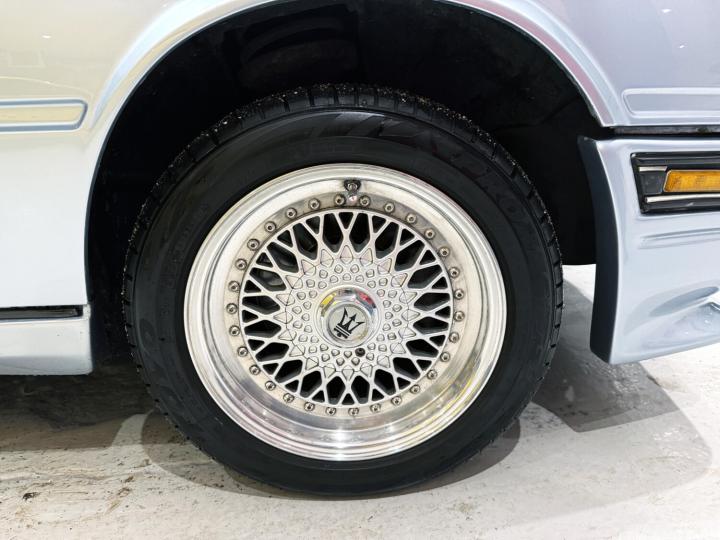
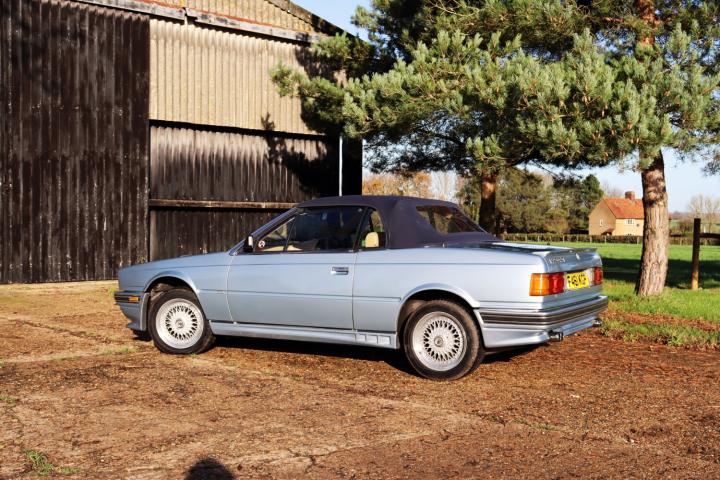
• Full optional Zender bodykit and OZ 15” wheels.
• Comprehensive service history.
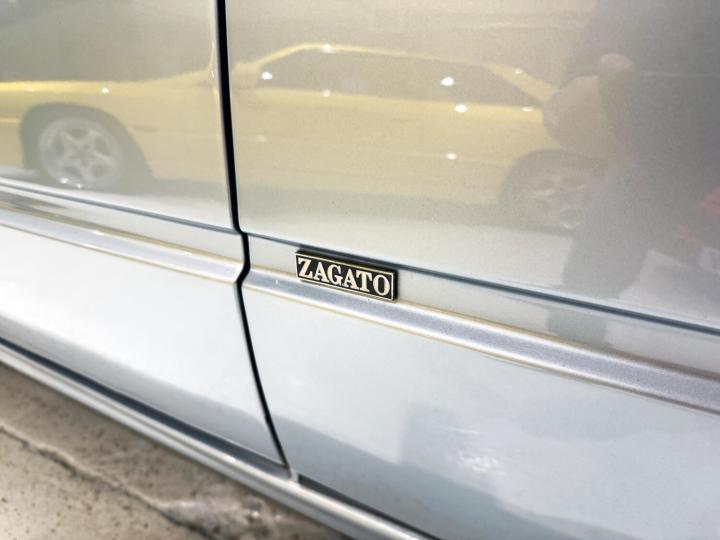
The Maserati Biturbo concept had already been established for three years before a convertible version became available. The chiselled lines of the original coupe, now so retro-chic, were from the pen of Pierangelo Andreani, but for the Spyder version, Maserati turned to a name from their past, Zagato.
Based on a shortened wheelbase version of the coupe floorpan, the Spyder used the same mechanical layout, which initially meant a 2.0-litre or 2.5-litre version of the twin-turbo V6 with its unusual 3-valve per cylinder arrangement. The 2.5-litre version was used mostly for export markets, and that included the UK.
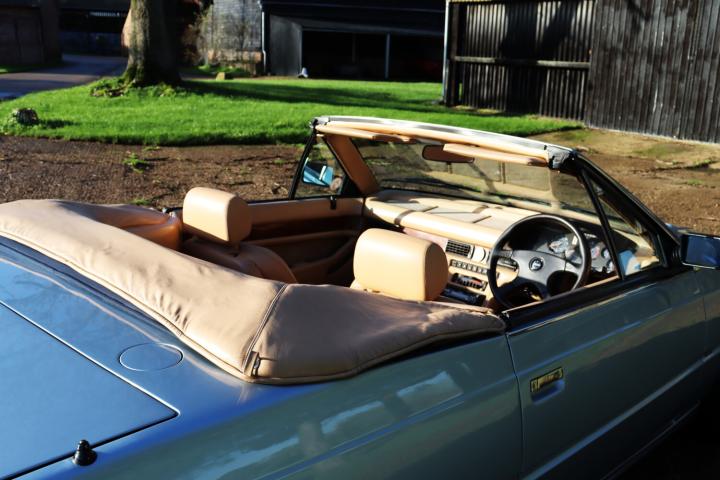
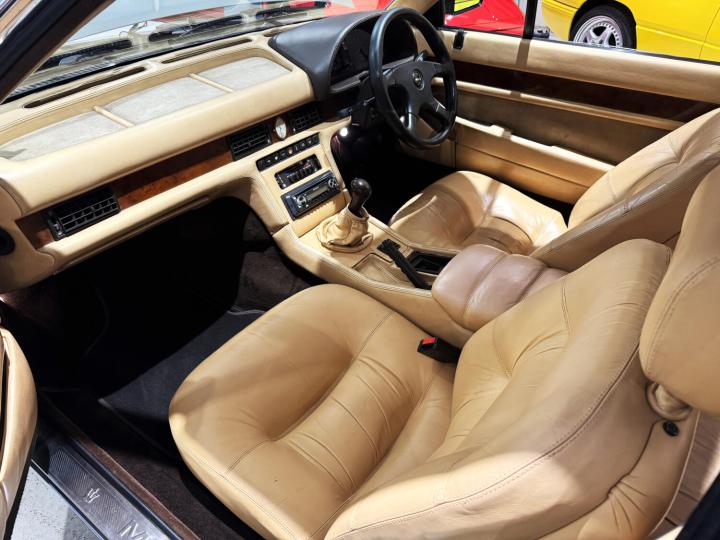
Zagato’s solution was very neat, using the space behind the front seats to store the hood giving a more streamlined profile, though leaving enough space for two occasional cushions but otherwise, changes to the Coupe shape were minimal.
While the Spyder version was launched In Italy in 1984, it would be two more years before a right-hand drive version became available, sold here through the new Maserati GB concessionaire. However, between 1986 and 1989, when the facelift Spyder E version arrived, they only sold around 100 cars.
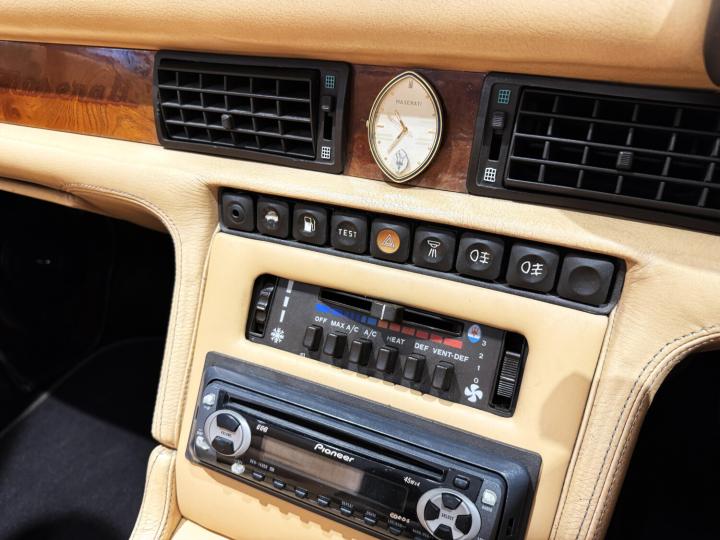
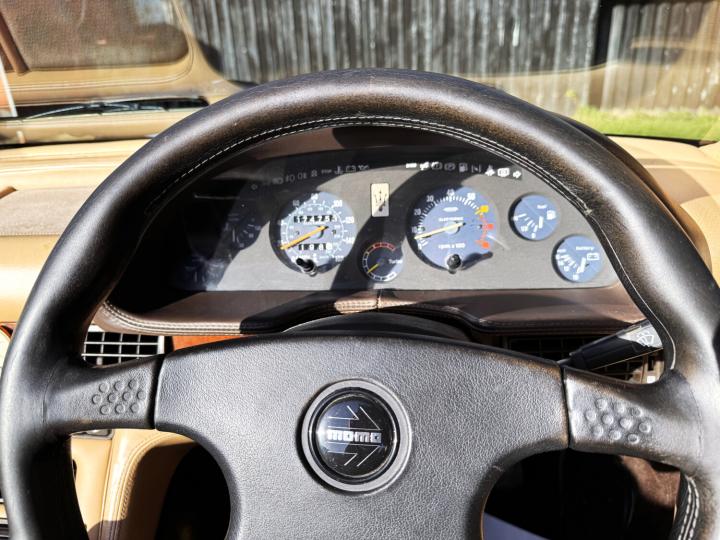
This particular example was first registered in January 1989, although the chassis number dates its manufacture to 1987; a fairly common anomaly for slow-selling exotica. In fact, in order to further boost sales, Maserati GB announced a special edition ‘SE’ version. This was not an official factory term as the modifications were done in the UK, but included a Zender bodykit of uprated bumpers, side skirts and boot lid spoiler, OZ 15” multi-spoke wheels to replace the original 14” plain alloys, a MOMO steering wheel and sometimes MOMO gear knob. Very often, the lower halves of the body were painted in a contrasting colour to give a two-tone effect. Judging by the MOT history, this car had this treatment, for while it is an original silver car, previous MOT testers refer to it having been silver/blue.
Originally registered F664 OYM – a series of plates that were issued to James Young, Maserati dealers in central London. The original warranty book is with the history, noting that the first service was carried out by Maserati service agents Chagford Street Garage in central London in October 1989 – and also that there was a speedo change at 8,889 miles. From then until 1992, the time of the car’s first MOT, there is a gap in the history but since then the MOT history is comprehensive and shows steadily increasing mileage to the current mileage of 75,000 (though effectively this is plus that 8,889). For much of its life, it had a private registration and when this was removed, it was given the current plate.
We first encountered this car in 2000 when it was bought by a garage owner in London SW19, who carried out a major refurbishment of the body and paint (presumably when it lost the blue lower sections). He kept it for his own use and we supplied parts (a number of small invoices are on file) and advice for a number of years but did not actually see the car here for service until the current owner bought it 2014. He is the seventh owner from new.
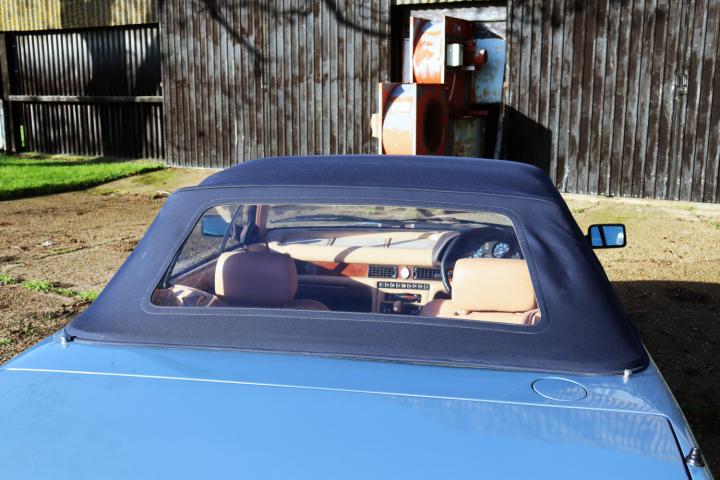
Following his purchase, we carried out a program of restoration, including further bodywork and also a new convertible hood. Together with fastidious servicing and other repairs and improvements, this work has totalled around £37,000. All invoices for this work are in the history file. Throughout his ownership, it has been used regularly during the summer months and has covered 15,000 miles. Today the car is in very good condition, though with the patina of its age. It is also mechanically very healthy and ready to use and enjoy.
The program of maintenance that this car has been subjected to means that today it is a rare survivor when most of its siblings have succumbed to terminal corrosion. Connoisseurs of the Biturbo range will no doubt also agree that the 2.5-litre engine with the carburettor gives great performance and the best, sweetest noise, especially with the hood down.
Much maligned when new for reliability problems, maturity now suits these cars. The issues that befell the early examples when used daily have either been resolved over the years or have become less important when the cars are treated as classics. And the Zender kit, for a long time woefully unfashionable, now has a vibe of retro cool about it. The ‘80s are back!
On sale now and ready for any inspection at our workshops.
Price on request